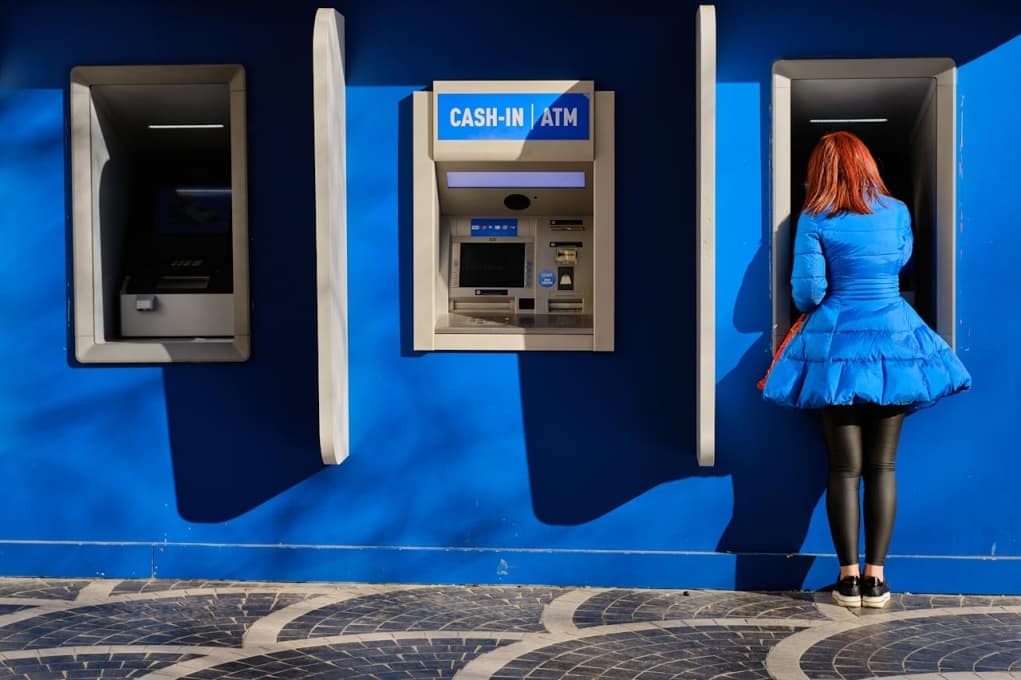
Modern technology has made spending money easier than at any other point in history. A purchase that once required cash, a physical card, or a trip to the store can now happen within seconds through a phone, smartwatch, or online account.
Convenience itself is not necessarily a problem. Digital banking, mobile payments, and online shopping have simplified many aspects of everyday life. However, easier access to money can also make spending feel less emotionally significant, which may quietly affect long-term financial habits.
For many households, building wealth is not only about income. It is also about creating enough friction between earning money and spending it impulsively.
Why Spending Feels Different in the Digital Era
Psychologists and behavioral economists have long studied how payment methods influence spending behavior. Research has shown that people often spend more freely when transactions feel less tangible.
Paying with physical cash creates a visible and immediate sense of loss. Digital transactions, on the other hand, may feel abstract because money moves electronically without the same physical experience.
This effect becomes even stronger when:
- Purchases happen with one-click checkout
- Payment information is stored automatically
- Buy now, pay later services reduce immediate financial friction
- Subscription services renew automatically
- Mobile payment systems remove delays between desire and purchase
Over time, these systems can make smaller purchases feel less significant individually, even when they accumulate into meaningful monthly spending.
Convenience Spending Often Happens Emotionally
Many purchases are not driven purely by need. They are influenced by convenience, stress, boredom, social pressure, or emotional reward.
Instant purchasing systems can amplify these tendencies because they reduce the time available for reflection before money leaves an account.
For example:
- Late-night online shopping becomes easier
- Small food delivery purchases happen more frequently
- Subscription services accumulate quietly
- Social media advertising encourages impulse spending
- Flash sales create urgency-based decisions
None of these behaviors automatically prevent wealth building on their own. The issue usually comes from repetition and consistency over long periods of time.
Wealth Building Often Requires Delayed Gratification
One of the most overlooked aspects of building wealth is learning how to delay consumption.
Many financially stable households intentionally create systems that reduce impulsive spending, including:
- Automatic transfers into savings or investments
- Separate accounts for spending and savings
- Waiting periods before non-essential purchases
- Monthly spending reviews
- Reduced exposure to unnecessary shopping triggers
These habits create small forms of friction that encourage more intentional financial decisions.
Importantly, wealth building is not about eliminating enjoyment or never spending money. Sustainable financial habits usually involve balance rather than extreme restriction.
What Readers Should Understand About Financial Friction
Creating friction around spending is often misunderstood as inconvenience. In reality, some level of friction can help protect long-term financial goals.
Important takeaways include:
- Digital convenience can reduce awareness of spending habits
- Small recurring purchases add up over time
- Impulse spending is often emotionally driven
- Automatic systems can either help or hurt financial health
- Delayed gratification supports long-term wealth building
- Intentional spending habits matter more than perfection
For many people, improving financial habits starts not with earning dramatically more money, but with becoming more aware of how money moves through everyday life.
Building Wealth Often Means Slowing Down Decisions
Modern financial systems are designed for speed and convenience, but wealth building usually happens gradually. The households that build long-term financial stability are often the ones that create intentional habits around spending, saving, and decision-making.
That does not require avoiding technology or eliminating convenience entirely. It simply means recognizing how easy access to money can influence behavior over time.
In many cases, slowing down financial decisions — even briefly — can create more thoughtful choices that support long-term financial goals rather than short-term impulses.
Sources
- Consumer Financial Protection Bureau
- Federal Reserve
- National Endowment for Financial Education
- Harvard Business Review
- American Psychological Association