Many homeowners assume that lowering household costs requires major lifestyle changes or constant budgeting. In reality, some of the most effective savings happen quietly, without daily effort. Energy-efficiency upgrades are one of those changes. Once in place, they work in the background, reducing utility bills month after month while also protecting homeowners from rising energy costs over time.
Energy efficiency is not about chasing trends or installing the latest technology for show. It is about making practical improvements that reduce waste, improve comfort, and create predictable savings. This article explains how energy-efficiency upgrades lower both short-term expenses and long-term costs, and why they are often overlooked as a financial strategy.
Why Energy Loss Drives Monthly Expenses
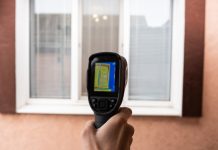
A large portion of household energy costs comes from inefficiencies rather than actual usage. Poor insulation, aging HVAC systems, outdated windows, and inefficient appliances force homes to work harder to maintain comfortable temperatures. That extra effort shows up directly on monthly utility bills.
Energy loss often goes unnoticed because it is gradual. Homeowners adjust to higher bills without realizing that much of the cost is preventable. Addressing these inefficiencies allows homes to operate more efficiently without sacrificing comfort.
How Small Upgrades Create Consistent Savings
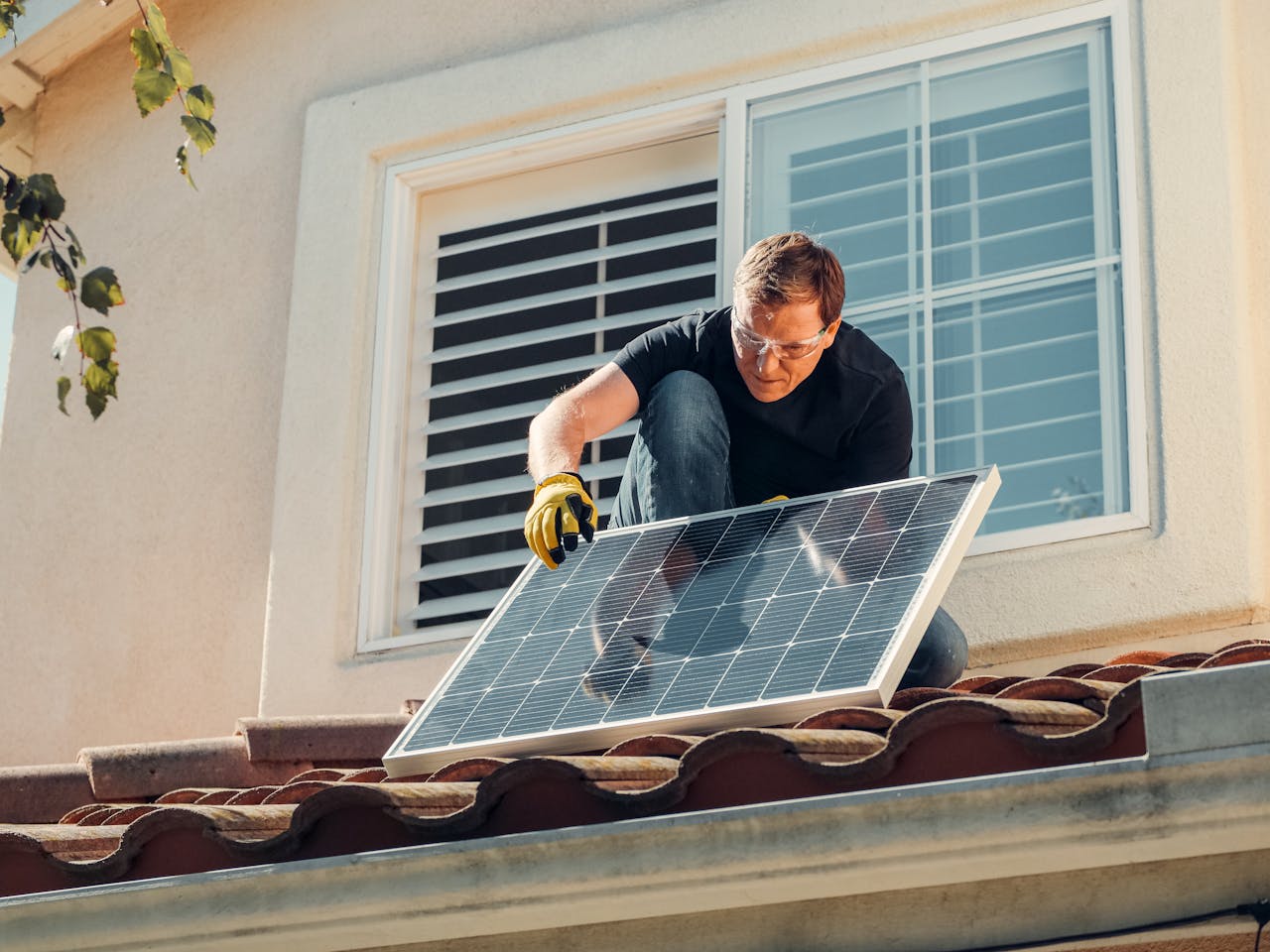
Energy-efficiency improvements do not always require major renovations. Many upgrades focus on reducing energy waste rather than increasing energy use. Improvements such as sealing air leaks, upgrading insulation, or replacing inefficient equipment reduce the amount of energy needed to run a home.
Once installed, these upgrades begin delivering savings immediately. Unlike temporary cost-cutting measures, energy-efficient systems continue working for years, providing predictable reductions in energy consumption.
The Long-Term Financial Impact of Energy Efficiency
While monthly savings are noticeable, the long-term impact of energy-efficiency upgrades is often more significant. Lower energy usage reduces wear on heating and cooling systems, which can extend their lifespan and delay costly replacements.
Energy-efficient homes also tend to maintain higher resale value. Buyers increasingly look for homes with lower operating costs, and documented efficiency upgrades can make a property more attractive in competitive markets. Over time, these factors contribute to a lower total cost of homeownership.
What Homeowners Gain From Energy-Efficiency Upgrades
Energy-efficiency improvements offer practical benefits beyond reduced bills. Homeowners who invest in efficiency often experience:
-
Lower monthly utility expenses without ongoing effort
-
Reduced exposure to rising energy prices
-
Improved indoor comfort and temperature consistency
-
Longer lifespan for major home systems
-
Increased property appeal and potential resale value
These benefits compound over time, making efficiency upgrades a strategic financial decision rather than a cosmetic one.
Understanding Incentives and Cost Offsets
Many homeowners are unaware that energy-efficiency upgrades may qualify for rebates, tax credits, or local incentives. These programs are designed to encourage efficiency improvements and can significantly reduce upfront costs.
Understanding available incentives can change the return on investment for upgrades. When combined with long-term energy savings, these programs often make efficiency improvements more accessible and financially reasonable than expected.
Energy Efficiency as a Quiet Financial Strategy
Energy-efficiency upgrades do not provide dramatic, immediate windfalls. Instead, they offer steady, reliable savings that accumulate over time. This quiet consistency makes them especially valuable for homeowners who prefer predictable expenses and long-term stability.
Rather than relying on constant behavioral changes, energy-efficient homes reduce costs automatically. This makes efficiency one of the few financial strategies that continues working regardless of lifestyle changes or external conditions.
A Smarter Way to Lower Costs Over Time
Energy-efficiency upgrades are not about doing more. They are about wasting less. By addressing hidden energy loss and improving how homes use power, homeowners can reduce both monthly bills and long-term ownership costs.
These improvements may not draw attention, but their impact is measurable and lasting. Over time, energy efficiency becomes one of the most practical ways to protect household finances while improving comfort and home value.
Sources
-
U.S. Department of Energy – Energy Efficiency and Home Upgrades
-
ENERGY STAR – Residential Energy Savings and Efficiency
-
National Renewable Energy Laboratory – Building Energy Performance
-
Environmental Protection Agency – Energy Use and Cost Reduction